
The Emotional Impact of Paintings: How Art Speaks to the Soul
Art has the incredible power to evoke emotions, trigger memories, and create deep connections. A single painting can make us feel joy, sadness, nostalgia, or even a sense of mystery. But what exactly gives a painting its emotional impact? Let’s explore how colors, brushstrokes, and composition shape our emotional responses to art.
How Colors Influence Emotions
Color psychology plays a huge role in how we perceive and feel about a painting. Each hue carries its own emotional weight:
Red – Passion, energy, intensity, or even danger
Blue – Calm, tranquility, introspection, or melancholy
Yellow – Happiness, warmth, optimism
Black & Dark Tones – Mystery, drama, depth
Earthy Tones – Stability, nostalgia, warmth
A painting dominated by cool blues and soft greens might feel peaceful, while one filled with fiery reds and oranges could spark excitement or tension.
How Colors Influence Emotions
The way a painting is created also affects how we feel when looking at it. Artists use different techniques to communicate emotion:

Smooth, blended strokes – Softness, harmony, and dreamlike qualities
Bold, thick brushstrokes – Passion, energy, and intensity
Loose, gestural marks – Movement, spontaneity, and raw emotion
Composition & Subject Matter: The Unspoken Story

How elements are arranged in a painting influences the emotional response:
Centered subjects often feel balanced and peaceful.
Asymmetrical or off-center compositions create tension and movement.
Dark shadows & contrasts build mystery and drama.
Soft edges & blurred lines create a sense of dreaminess or nostalgia.
A solitary figure looking into the distance might evoke loneliness or contemplation, while a busy, colorful market scene could feel lively and chaotic.
Why We Connect to Certain Paintings
Have you ever been drawn to a painting without knowing why? Sometimes, a piece speaks to us because it:
Reminds us of a personal memory
Reflects our emotions or inner struggles
Creates a sense of escape or inspiration
Connects to our cultural or spiritual beliefs
This is why art is so personal—what moves one person deeply may not have the same effect on another.
The Emotional Impact of Art in Your Space
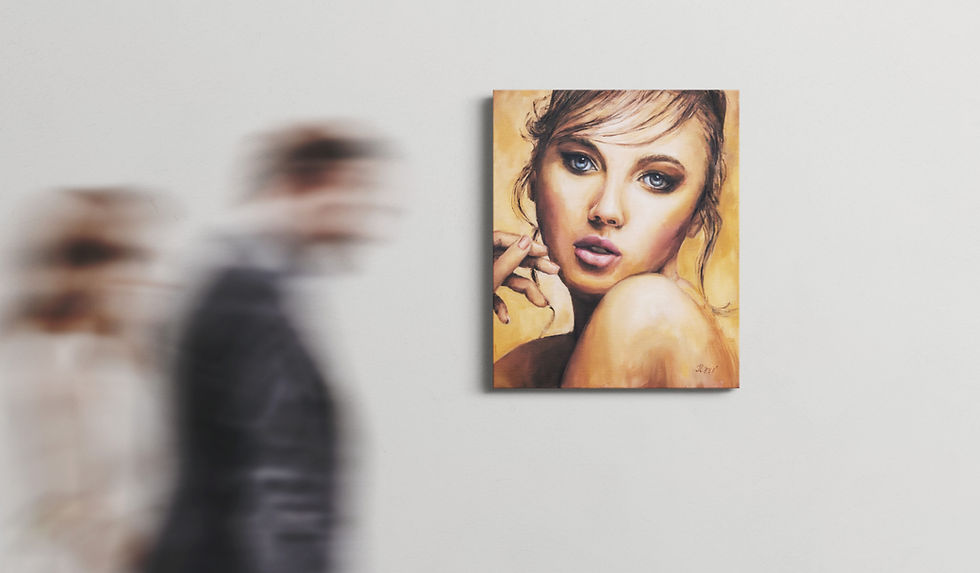
The paintings you choose to display in your home or workspace can influence your daily mood and mindset. A peaceful seascape might bring relaxation, while a bold abstract piece could energize and inspire creativity.
💡 Pro Tip: If you’re selecting art for a specific room, think about how you want to feel in that space. For a cozy reading nook, opt for soft, soothing artwork. For a workspace, go for something dynamic and thought-provoking.
Art as a Form of Emotional Expression
Artists pour their emotions into their work, and viewers, in turn, bring their own experiences to the interpretation. This two-way connection makes art one of the most powerful forms of emotional expression.
A great painting is more than just colors on a canvas—it’s a window into emotion, experience, and the human soul. Whether you're an artist or an admirer, embracing the emotional depth of paintings can make art even more meaningful in your life.
💬 What’s a painting that has moved you emotionally? Let’s discuss in the comments!

Comments